Transform Your Smile: A Guide to Cosmetic Dental Treatments
Cosmetic dental care presents many possibilities for people looking to transform their smiles. Including teeth whitening and dental veneers, these treatments cater to numerous cosmetic and functional issues. Many people are unsure about which options could be the right fit for their situation. Learning about the various services on offer can make this choice clearer. As individuals examine the choices available, the significance of a beautiful smile becomes more clear. Where should one begin on this path to transformation?
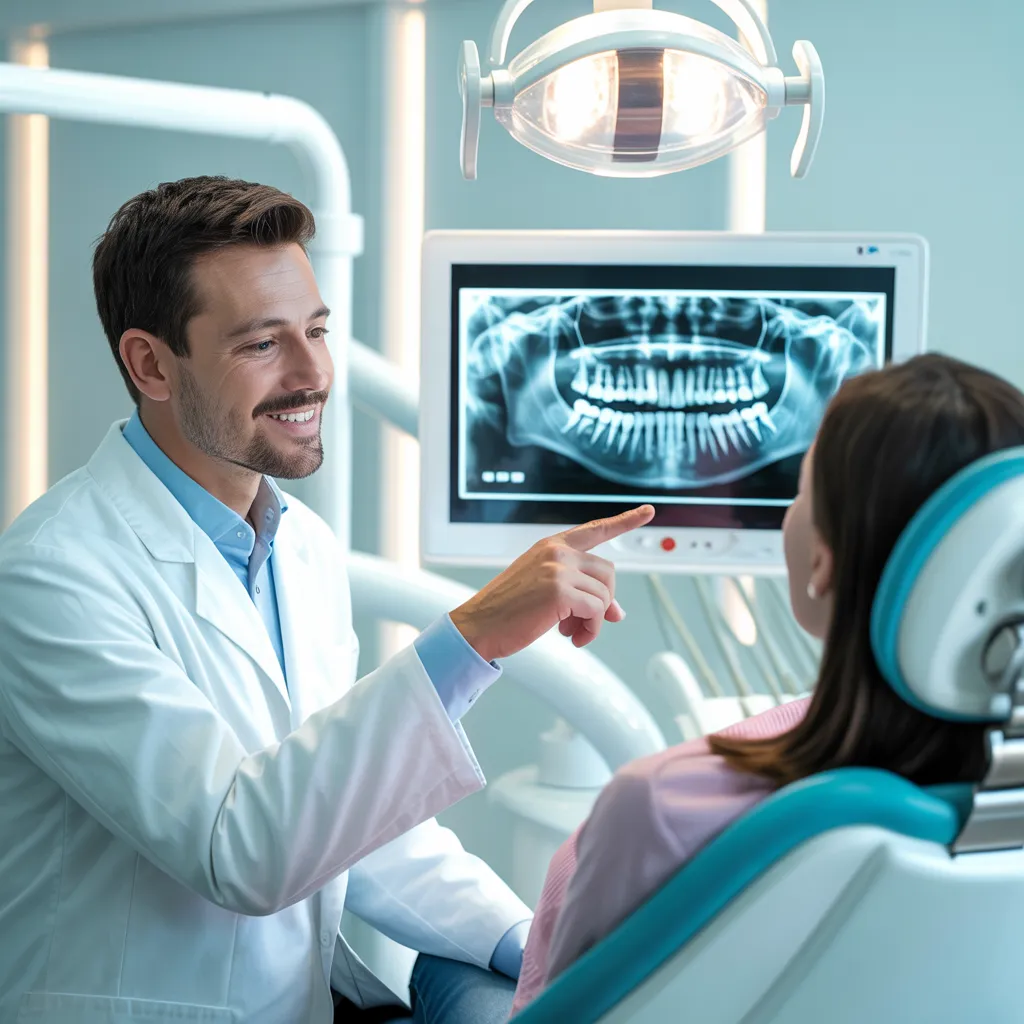
Key Things to Know About Cosmetic Dentistry
Cosmetic dentistry, while often associated with enhancing aesthetics, covers numerous techniques focused on advancing both aesthetics and oral performance. This field of dental care tackles a number of concerns, including misaligned teeth, gaps, and damaged enamel. Numerous people turn to cosmetic procedures to elevate their self-confidence and support improved dental health.
Frequently performed procedures feature veneers, which conceal imperfections, and dental bonding, which corrects chips or spacing issues. Orthodontic treatments, such as discreet braces, can reliably improve alignment while remaining discreet. Moreover, cosmetic dentistry may involve gum contouring to correct irregular gum lines, enhancing the overall smile.
It is crucial for patients to meet with skilled experts to discuss their goals and gain insight into the potential risks and benefits of each procedure. Tailored treatment approaches can guarantee that the selected treatments align with both visual aspirations and functional demands, supporting a stronger, more radiant smile.
Enhance Your Smile With Teeth Whitening
Teeth whitening gives patients a way to improve their smiles through a variety of methods. Professional whitening procedures deliver fast and significant results, while home whitening kits offer convenience and flexibility. Recognizing the differences between these methods can help individuals choose the ideal solution for their needs.
Advanced Whitening Treatments
A radiant smile can notably improve one's appearance and boost self-assurance, making professional whitening options an appealing choice for a wide audience. These services are generally delivered by dental professionals and are crafted to deliver quicker, more dramatic results than retail alternatives. Widely used methods include in-office treatments, which use concentrated whitening agents activated by special lights, ensuring complete stain reduction in a single session. As another option, dental specialists may provide custom take-home kits featuring higher-concentration formulas than conventional over-the-counter options. Professional whitening addresses not just deeper stains but also minimizes the risk of gum irritation, ensuring a more secure experience. Ultimately, investing in professional whitening can lead to a more dazzling, captivating smile, expressing the individual's personality and improving overall self-esteem.
At-Home Teeth Whitening Kits
Many people look to improve their smiles from the comfort of home, turning to at-home whitening kits as a widely used and practical choice. These kits commonly feature whitening gels, strips, or trays pre-filled with a bleaching agent, allowing users to use them with ease during their regular day-to-day activities. The appeal lies in their cost-effectiveness and availability compared to in-office procedures. However, outcomes can differ based on the kit's formulation and the user's oral health condition. Users are advised to follow instructions thoroughly to lower the chances such as gum irritation or tooth sensitivity. For optimal outcomes, consistency in use is key, making at-home whitening kits a practical solution for those seeking to attain a more radiant smile without regular trips to the dentist.
Reach Perfection With Dental Veneers
Dental veneers offer an exceptional option for those who wish to transform their smiles. This section will explore the many advantages of veneers, detail the steps involved, and provide essential maintenance tips for enduring results. Knowing these details can help individuals make informed decisions about their dental cosmetic choices.
Key Benefits Of Dental Veneers
A great number of individuals turn to dental veneers to enhance their smiles, drawn by the transformative benefits these thin porcelain or composite resin shells offer. One of the main benefits of dental veneers is their capacity to address imperfections such as chips, gaps, and discoloration, creating a more consistent appearance. In addition, veneers are resistant to staining, allowing for a bright smile that maintains its luster over time. The process is minimally intrusive, often requiring little to no alteration of the natural tooth structure. Additionally, dental veneers can improve self-assurance, providing individuals with the confidence to smile openly. All in all, the cosmetic enhancements and durability of dental veneers make them a popular choice for those looking to achieve an ideal smile.
Process Overview And Steps
Enhancing a smile with dental veneers follows a simple yet precise procedure. Initially, a consultation is conducted to assess the patient's needs and expectations. The dentist then prepares the teeth by removing a thin layer of enamel to guarantee a proper fit. Dental impressions are captured to act as a template for the personalized veneers. Provisional veneers are often fitted while the permanent veneers are being fabricated, generally requiring approximately two weeks. Upon completion, the dentist attaches the veneers to the teeth using a professional-grade adhesive, confirming they are perfectly aligned. Lastly, fine-tuning is performed to ensure optimal comfort and visual appeal. This meticulous process produces a breathtaking transformation, elevating the complete aesthetic of the patient's smile.
Maintenance And Maintenance Advice
Preserving the appearance and durability of dental veneers demands regular upkeep and diligence. Proper oral hygiene is essential; people should brush their teeth two times daily with a non-abrasive toothpaste and use dental floss frequently to minimize plaque formation. Routine dental visits are essential for monitoring the condition of the veneers and catching and managing problems at an early stage. Refraining from hard foods, ice, and misusing teeth can help avoid chipping and breakage. Furthermore, patients should minimize exposure to staining agents such as coffee, tea, and red wine, as these can affect the appearance of the veneers. Utilizing a protective mouthguard during athletic activities or bruxism can also protect the investment in cosmetic dentistry. By following these guidelines, patients can ensure their veneers stay bright and effective long-term.
Build Confidence With Straight Teeth Through Orthodontic Treatment
Attaining a beautiful smile commonly starts with well-aligned teeth, and orthodontics plays a pivotal role in this journey. This field of dentistry is dedicated to diagnosing, preventing, and addressing misaligned teeth and jaws. Multiple treatment choices, including standard metal braces and clear aligners, address different needs and preferences, making certain that people can identify a treatment that complements their daily routine.
Orthodontic care goes beyond improving appearance and also benefits oral health by simplifying the cleaning of teeth and lowering the likelihood of gum disease. Additionally, properly aligned teeth can alleviate issues such as jaw pain and uneven wear on enamel.
Consultation with an orthodontist is crucial for creating a individualized treatment plan. Working together, patients can review available options and establish realistic goals. At the end of the day, the investment in orthodontics contributes to enduring self-confidence and a stronger and healthier smile, making it a valuable step in the world of cosmetic dentistry.
Easy Corrections for Minor Defects: Dental Bonding Clarified
A large number of people search for fast remedies for minor dental imperfections, and tooth bonding offers a practical option. This cosmetic procedure consists of applying a natural-colored resin to repair cracks, chips, or gaps in your teeth, greatly improving their appearance. The process is relatively simple and typically completed in a one visit.
A dental professional prepares the tooth by roughening the tooth's surface and placing a preparatory liquid, which helps the bonding material adhere effectively. Once the bonding resin is placed, it is shaped to match the surrounding teeth and hardened using a special light.
Dental bonding is both affordable and causes less discomfort than more involved dental procedures. With appropriate maintenance, results can endure for several years, making it an ideal option for those seeking a rapid smile enhancement. This technique addresses minor flaws efficiently, providing an immediate boost to one's confidence and overall article dental aesthetics.
How to Find the Perfect Cosmetic Treatment
How can someone navigate the multitude of cosmetic dental options available? To make a well-informed decision, people should begin by examining their specific dental needs. A visit to a qualified cosmetic dentist is important, as they can offer guidance on numerous options based on the patient's aesthetic goals and oral health.
Additionally, it is essential to consider the lifespan and maintenance requirements needed for each option. For instance, a teeth whitening treatment may be a speedy fix, while porcelain veneers offer a more permanent improvement.
Budget constraints also play a significant role. Understanding the cost implications of different treatments, along with potential insurance coverage, can aid in decision-making.
Finally, looking at before-and-after photos of prior patients can help gauge projected outcomes. By taking these factors into account, a person can identify a cosmetic procedure that matches their personal goals as well as practical needs, resulting in a rewarding experience.
Commonly Asked Questions
Are Cosmetic Dental Services Covered by Insurance Plans?
Aesthetic dental treatments are usually excluded from insurance plans, as they are commonly classified as elective treatments. However, coverage may vary based on the specific insurance policy and any underlying medical necessity associated with the treatment.
How Long Do Cosmetic Dental Treatments Typically Last?
Cosmetic dental treatments typically last between three and ten years, based on the particular procedure and personal upkeep. Aspects including oral hygiene, daily lifestyle choices, and consistent dental checkups can impact the duration of results.
What Are the Possible Side Effects of Cosmetic Procedures?
Cosmetic procedures may result in potential side effects such as discoloration, sensitivity, swelling, and infection. Each procedure presents distinct risks, and patients are encouraged to consult with qualified professionals to understand specific side effects related to their chosen procedure.
Can Multiple Cosmetic Procedures Be Combined in a Single Visit?
Yes, multiple cosmetic treatments can often be combined, based on individual needs and objectives. Speaking with an experienced specialist ensures tailored advice, lowering risks and optimizing cosmetic outcomes for the desired transformation.
How Do I Keep Results After Cosmetic Dental Procedures?
To maintain results after cosmetic dental work, people should copyright thorough oral hygiene routines, schedule routine dental appointments, refrain from consuming staining products, and follow any specific care instructions provided by their dental professional to guarantee longevity.